
Complete Guide of ROP Screening Test for Parents
Published On: 12/Jan/2026Table of Contents
- • Why ROP Screening for Premature Babies
- • What Is Retinopathy of Prematurity (ROP)?
- • What Is the ROP Screening Test?
- • Which Babies Need ROP Screening?
- • When Is the ROP Screening Test Done?
- • How Is the ROP Screening Test Performed?
- • Is the ROP Screening Test Safe for Babies?
- • What Do ROP Screening Results Mean?
- • What Happens If ROP Is Detected?
- • How Can Parents Prepare for an ROP Screening Test?
- • Importance of Regular Follow-Up After ROP Screening
A specialized eye test called the ROP Screening Test is used to identify retinopathy of prematurity (ROP), a disorder that affects the retina and may cause vision loss in infants. It evaluates blood vessel development and takes detailed pictures of the baby's retina using specialized eye exam equipment. For immediate care and the avoidance of long-term eye issues, early detection through this test is essential.
Why ROP Screening for Premature Babies
ROP screening is essential for premature babies since their eyes, especially the retina, are still developing at birth, leaving them more sensitive to abnormal blood vessel growth, which can lead to retinopathy of prematurity (ROP). Early eye screening enables medical professionals to identify these abnormalities before they result in significant vision issues, allowing for immediate action and therapy that can prevent permanent blindness. Regular ROP screening gives parents peace of mind that their infant's eye health is being properly watched and that any problems will be swiftly resolved to promote healthy visual development.
What Is Retinopathy of Prematurity (ROP)?
A disorder known as Retinopathy of Prematurity (ROP) affects preterm babies' retina, the light-sensitive layer at the back of their eyes. It happens when the retina's blood vessels expand irregularly, either too fast or in the incorrect direction. This can cause scarring and, in extreme situations, retinal detachment. Because their retinal blood vessels are still developing at birth, premature babies are more prone to oxygen alterations and other variables that can interfere with proper vascular growth.
What Is the ROP Screening Test?
A specialized eye test called the ROP Screening Test is used to identify retinopathy of prematurity (ROP) in preterm infants early on. Its goal is to use modern eye test equipment to carefully examine the retina in order to spot any unnatural blood vessel growth that can compromise vision. Early detection of ROP enables timely medical or surgical management, preventing major issues including retinal detachment and long-term vision loss and guaranteeing the baby's better visual development.
Which Babies Need ROP Screening?
Due to their increased risk of improper retinal development, premature newborns delivered before 31–32 weeks of gestation or weighing less than 1,500 grams are usually advised to undergo ROP screening. Prolonged oxygen therapy, respiratory distress, low blood oxygen levels, or other health issues that may impact the development of retinal blood vessels are additional risk factors. In the end, a physician's evaluation and established clinical criteria serve as the basis for the screening decision, providing that all at-risk infants receive early evaluation to maintain their eyesight.
When Is the ROP Screening Test Done?
In order to detect early growth abnormalities and allow for the first development of retinal blood vessels, the first ROP screening test is often conducted within 4–6 weeks after birth, or approximately 31–33 weeks postmenstrual age, whichever happens later. Based on the first results, follow-up screenings are planned. Exams are performed every one to two weeks until the retina is fully vascularized or any ROP symptoms have disappeared or been treated. In order to ensure that any late-onset alterations are identified and treated quickly to avoid long-term vision issues, screening usually continues until the retina has fully grown, which could take a few weeks to several months.
How Is the ROP Screening Test Performed?
The ROP screening test is carried out using a thorough, methodical process intended to carefully assess the newborn baby's retina. To see the retina clearly, the baby's eyes are first dilated with special eye drops. It is possible to keep the eyes open without causing discomfort by utilizing gentle eyelid instruments like a speculum. In order to evaluate blood vessel development and identify any abnormal growth, the eye care specialist then uses an indirect ophthalmoscope to examine the fundus or uses sophisticated eye test machines to take detailed retinal images. Until the retina has grown or any ROP has been addressed, the operation, which typically takes only a few minutes per eye, is repeated in accordance with follow-up schedules.
Is the ROP Screening Test Safe for Babies?
When administered by qualified eye care specialists, the ROP screening test is usually safe for premature infants. Throughout the process, safety and comfort are given top priority, and eyelid tools are handled gently and carefully to reduce tension. The eye drops may cause temporary side effects including wet eyes, mild discomfort, or momentary light sensitivity, although these usually go away fast. In order to ensure that the advantages of early detection greatly outweigh the slight and brief discomfort, doctors also take measures to lessen discomfort, such as swaddling the infant, using calming techniques, and performing the examination effectively.
What Do ROP Screening Results Mean?
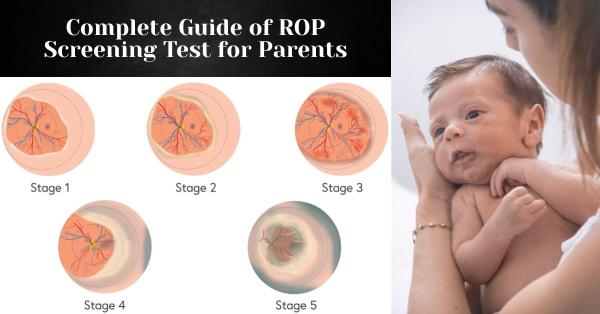
The health and development of a premature baby's retina are indicated by ROP screening results, which can help determine whether therapy or monitoring is necessary. Normal results indicate that the retina is healthy because the blood vessels are fully formed and have not grown abnormally. Small patches of aberrant blood vessel growth, typically in the outer retina, are indicative of early-stage ROP and may go away on their own with close observation. Advanced ROP often requires immediate treatment, such as laser therapy or medication, and is characterized by considerable abnormal vessel growth, swelling, or scarring that might endanger vision. In order to explain severity and direct follow-up care, doctors also use zones (position in the retina, from center to periphery) and stages (1–5, from mild to severe) to help parents comprehend the baby's eye health and the necessary next steps.
What Happens If ROP Is Detected?
The treatment plan for ROP is determined on the condition's severity and development. Since mild or early-stage ROP can occasionally go away on its own without treatment, it could simply need close observation with routine follow-up examinations. Active treatment for advanced or fast advancing ROP may involve intravitreal drug injections to limit vessel proliferation, laser therapy to prevent abnormal blood vessel growth, or, in extreme situations, surgery to restore retinal detachment. Prompt discovery and attention to follow-up programs are important for preserving a premature baby's long-term eye health because early treatment can avoid permanent visual loss.
How Can Parents Prepare for an ROP Screening Test?
By being aware of what to expect and taking precautions to keep their infant comfortable, parents may get ready for a ROP screening test. They should be aware that the test is fast, safe, and carried out by qualified eye care specialists utilizing specialized eye test tools and mild eye drops to inspect the retina. In order to keep the infant peaceful, it is beneficial to feed them beforehand or give them a pacifier while they are being swaddled for security and warmth. The medical staff should emotionally reassure parents that slight discomfort is typical, temporary, and greatly outweighed by the advantages of early detection and protection of the baby's vision because parents may also feel anxious.
Importance of Regular Follow-Up After ROP Screening
After ROP screening, routine follow-up is essential since the condition can still grow or worsen after first tests, and early diagnosis of alterations enables appropriate intervention to prevent vision loss. Continuous observation ensures that the infant's retina keeps developing normally and that any late-onset or persistent issues are detected early. Regular vision examinations continue to be essential as the kid gets older in order to monitor visual development, identify refractive problems or other eye disorders, and promote long-term eye health, all of which assist guarantee the best possible visual outcomes throughout childhood.
Early ROP screening is vital for preserving a premature baby's vision since it enables medical professionals to identify irregular retinal blood vessel growth before it causes major issues. Parents may actively protect their child's eye health by being aware of the screening procedure, showing up for all follow-up appointments, and taking quick action if treatment is required. Parents can be certain that preventive measures are being taken to encourage healthy visual development and provide their infants the best opportunity for lifelong good vision when they receive timely care and routine monitoring from reputable eye specialists.
Author's Bio

Mr. Rajender Gupta
(Director, Matronix Optotechnik Pvt. Ltd.)
With a vision to make advanced eye-care technology accessible across India and beyond, the Director of Matronix Optotechnik Pvt. Ltd. has been leading innovation in smart ophthalmic solutions since founding the company in 2019. Building on decades of industry experience and the global legacy of the Matronix brand since 2007, he has transformed the company into a trusted name in precision eye-testing equipment.
Related Posts


Frequently Asked Questions
ROP screening is performed using specialized eye test equipment such as indirect ophthalmoscopes, retinal imaging systems, and pediatric fundus cameras. These eye test instruments allow doctors to clearly examine the baby’s retina and detect abnormal blood vessel growth at an early stage, ensuring accurate diagnosis and timely treatment.
ROP screening is generally safe and causes only mild, temporary discomfort. Eye care specialists use gentle, medically approved eye test instruments designed specifically for premature infants. Any irritation from eye drops or light exposure usually resolves quickly, and the benefits of early detection far outweigh the brief discomfort.
The frequency of ROP screening depends on the baby’s gestational age, birth weight, and initial test results. Using advanced eye test equipment, doctors typically perform follow-up examinations every one to two weeks until the retina is fully developed or the condition has been treated or resolved.
Advanced eye test equipment is crucial because ROP involves subtle changes in retinal blood vessels that are not visible without precise diagnostic tools. High-quality eye test instruments help ophthalmologists accurately assess disease stages and retinal zones, enabling timely intervention and reducing the risk of permanent vision loss.