Complete Guide to Eye Test Charts: Types, Usage, Accuracy, and Digital Advancements in Eye Care
Published On: 20/Nov/2025Table of Contents
Innovative eye test charts that provide increased accuracy, adaptability, and accessibility in eye exams have revolutionised the assessment of vision. We will examine the many chart types, emphasising how each meets certain testing requirements and improves the precision of visual acuity assessments in the modern eye test industry.
Evaluation of Eyesight Assessments
A vital eye test instrument for assessing the quality of vision and identifying refractive problems is an eye test chart. Because they enable professionals to measure visual acuity, identify refractive abnormalities like myopia or hyperopia, and track changes in vision over time, eye test charts serve as important tools in the field of eye care. They offer a simple yet effective way of evaluating eye health, ensuring perfect prescriptions for corrective lenses, and spotting early indicators of vision problems that could need more testing or care. They assist in identifying refractive defects such as myopia, hyperopia, and astigmatism by evaluating a person's vision at various distances. Frequent use of eye test charts makes it possible to identify changes in vision or eye problems early on, which enables prompt correction and stops future loss of vision.
Examining and Understanding of Eye Test Chart
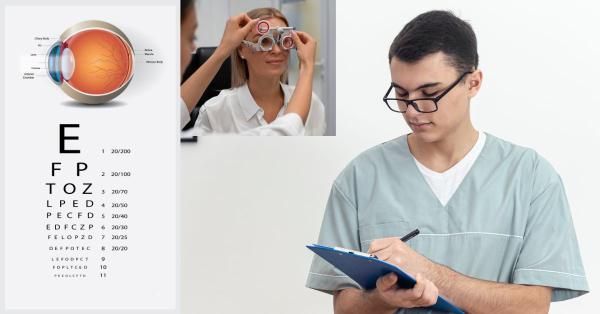
Visual acuity evaluates how well a person can see details at a given distance when compared to someone with normal vision. One eye at a time, the patient reads a small line that can be seen on an eye chart from a distance of six meters, or twenty feet. The results are shown as a fraction, such as 6/6 or 20/20, where the test distance is represented by the first number and the normal vision distance by the second. Reduced vision is indicated by lower scores, which help professionals in determining the degree of clarity and possible need for treatment.
Eye Test Charts Opted by Professionals
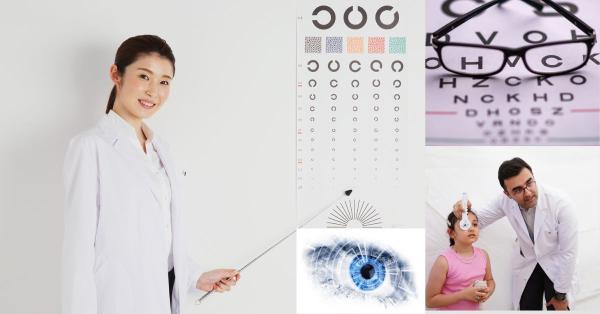
A variety of eye test charts, each customized to a particular patient and testing setting, are used to evaluate various components of vision. The LogMAR Chart is used in research and hospitals due to its accuracy and consistency, while the Snellen Chart is the standard instrument for assessing distance visual acuity in literate people. The Jaeger Chart measures near vision to identify presbyopia or reading difficulties, while the Tumbling E Chart uses directional symbols to help youngsters and patients who are illiterate. The Landolt C Chart, which is used worldwide, measures eyesight at all reading levels using ring-shaped symbols with gaps. When combined, these charts guarantee thorough and precise visual evaluations for a range of clinical requirements.
Advanced Eye Test Procedure with Digital Eye Test Charts
With advanced functions like brightness calibration, randomly generated optotypes to avoid memorizing, and seamless interaction with EMR systems for automatic data collection, new digital eye test systems are quickly displacing manual charts. These digital technologies significantly boost workflow productivity in busy clinics, offer higher accuracy, and make it simple to switch between close and distant examinations. They are perfect for modern eye test practices that prioritize accuracy and patient convenience because of their consistency and versatility.
Selecting the Right Eye Test Chart for Your Clinic
Consider the sort of patients when choosing an eye test chart for your clinic; for children or illiterate patients, use symbol-based charts such as the Tumbling E or Landolt C, and for adults and research settings, use Snellen or LogMAR. Make sure the chart fits the available space or select digital systems that are calibrated for shorter distances by evaluating your testing distance and room size. Consider the limits of your finances and expertise in technology, establishing a balance between price and features like data integration and brightness adjustment. Lastly, make sure that ISO and ANSI standards are followed to provide precise, reliable, and expert visual acuity evaluations.
Best Ways to Use Eye Test Charts in Clinics
Make sure there is adequate lighting and accurate distance calibration when utilising eye test charts in clinics to preserve accuracy and generate consistent results for visual acuity. Verify chart clarity, alignment, and display settings on a frequent basis, particularly with digital systems. To ensure consistent testing practices and lower result variability, teach staff members. Additionally, maintain the latest digital software to take use of the newest randomization features, calibration tools, and performance enhancements, ensuring accurate and consistent eye exams.
By improving accuracy, efficiency, and usability, the transition from standard printed eye test charts to modern digital systems has revolutionized vision testing. Modern digital charts provide better consistency, calibration, and data integration, even though traditional charts like the Snellen are still fundamental. In today's eye test practices, selecting the appropriate eye test chart which is customized to patient needs, clinic setup, and compliance standards, significantly increases diagnostic accuracy, speeds up processes, and improves the overall patient experience. For premium, CE and ISO-certified eye test charts that provide accuracy, dependability, and high-quality performance in every vision evaluation, contact Matronix Optotechnik.
Author's Bio

Mr. Rajender Gupta
(Director, Matronix Optotechnik Pvt. Ltd.)
With a vision to make advanced eye-care technology accessible across India and beyond, the Director of Matronix Optotechnik Pvt. Ltd. has been leading innovation in smart ophthalmic solutions since founding the company in 2019. Building on decades of industry experience and the global legacy of the Matronix brand since 2007, he has transformed the company into a trusted name in precision eye-testing equipment.