
Cataract Detection Machines
Cataract is a common eye illness that happens when the eye's natural lens gets clouded, causing blurred vision, decreased brightness, glare sensitivity, and difficulties seeing clearly, particularly at night. Although Diabetic Macular Edema (DME) is most frequently linked to age, other conditions like diabetes, extended UV exposure, smoking, eye trauma, and some drugs can also cause it to develop. If neglected, cataracts can seriously impair eyesight and interfere with daily activities. They often develop gradually. Restoring clear vision and enhancing quality of life are greatly aided by prompt diagnosis and treatment, including cataract surgery.
Importance of Cataract Testing
Testing for cataracts is vital since they develop gradually and may initially only produce minor vision abnormalities that patients frequently fail to notice. Frequent cataract exams aid in the early detection of clouding of the natural lens of the eye, enabling ophthalmologists to track development and suggest timely intervention before vision is seriously compromised. For older persons and those with diabetes or other risk factors that can expedite the development of cataracts, early diagnosis is particularly critical. Thorough cataract testing is also essential for developing an efficient treatment strategy and guaranteeing good surgical results. Advanced diagnostic tests assist in determining the best intraocular lens (IOL) for cataract surgery, measuring lens opacity, and evaluating general eye health. Thorough testing increases surgical accuracy, improves the quality of postoperative vision, and assists patients in regaining more comfortable, clear vision for everyday tasks.
Common Tests Used for Cataract Detection
Several important eye tests are performed to diagnose cataracts, assess the severity of lens clouding, evaluate overall eye health, and support accurate surgical planning. During a detailed eye examination, ophthalmologists carefully inspect the lens to identify the presence, type, and progression of cataracts. Measurements of the eye’s internal structure are also taken to help determine the appropriate intraocular lens (IOL) power required for cataract surgery. In cases where dense cataracts obstruct a clear view of the retina, imaging tests are used to examine the internal structures of the eye and rule out other underlying conditions. Additionally, retinal evaluation tests may be conducted to detect any retinal abnormalities that could influence visual outcomes after surgery. Together, these diagnostic tests help ensure accurate cataract detection and enable ophthalmologists to plan safer and more effective treatment procedures.
Cataract Testing Machines Available at Matronix
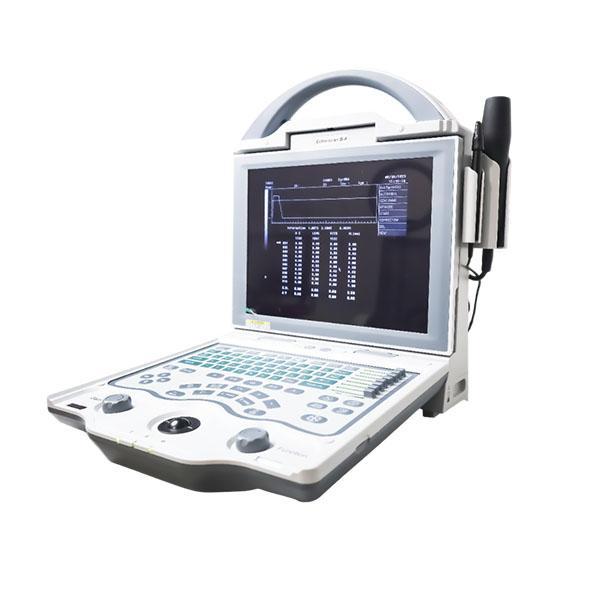
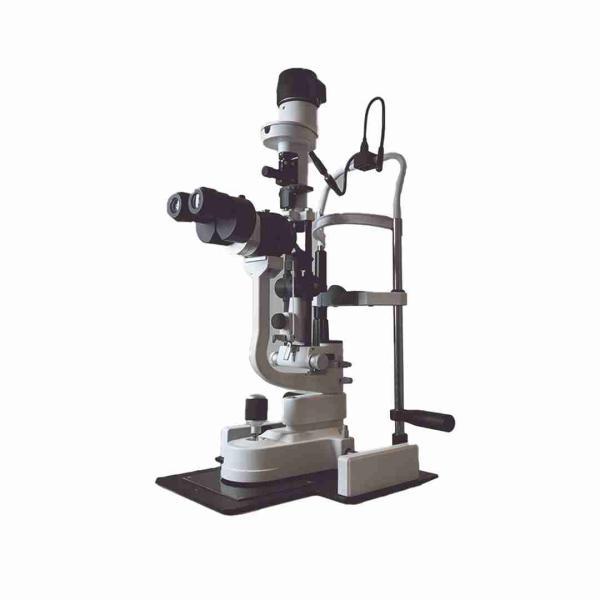
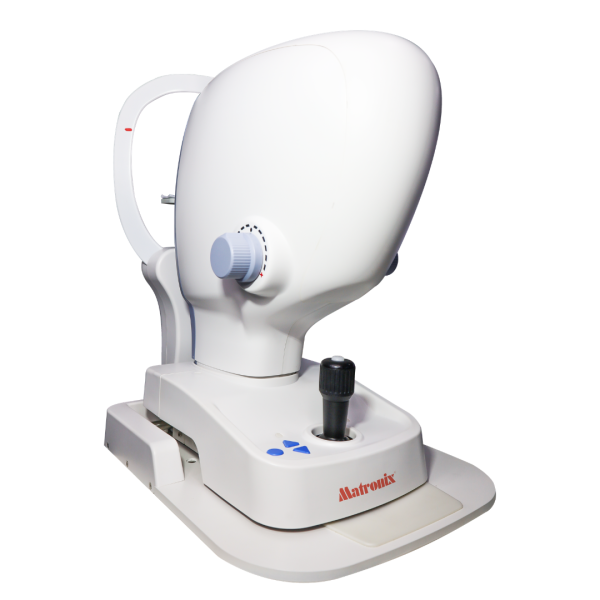
For traditional and modern ophthalmic clinics, Matronix provides a variety of advanced cataract testing equipment that facilitate efficient surgical planning, thorough eye evaluation, and accurate diagnosis. The product line includes excellent slit lamps, a/b scans, OCT, and other ophthalmic diagnostic tools that enable ophthalmologists to more accurately and efficiently monitor vital eye parameters, estimate lens opacity, and assess overall ocular health. These devices are appropriate for eye hospitals, clinics, and visual care facilities throughout India since they are designed to provide dependable performance, simple operation, and high diagnostic accuracy. Matronix assists eye care providers in improving cataract detection and patient outcomes by offering innovative and reasonably priced ophthalmic solutions.
Find the Best Deals in India for Cataract Testing Equipment
Get the most affordable cataract testing equipment in India with Matronix's revolutionary ophthalmic diagnostic solutions. Matronix provides dependable and affordable technology for comprehensive cataract diagnosis and surgery planning, ranging from slit lamps to OCT. These devices, which are made for clinics and hospitals, combine accuracy, modern equipment, and trustworthy after-sales support.
Frequently Asked Questions
Cataract detection machines are specialized ophthalmic diagnostic devices used to identify cataracts, evaluate lens opacity, and examine overall eye health. These machines help ophthalmologists diagnose cataracts accurately and plan suitable treatment or cataract surgery procedures.
Common cataract diagnostic tests include slit lamp examination, A-scan and B-scan ultrasound, Optical Coherence Tomography (OCT), retinal evaluation, and intraocular lens (IOL) power measurement tests. These tests help assess cataract severity and support precise surgical planning.
Early cataract testing helps detect lens clouding before vision becomes severely affected. Timely diagnosis allows doctors to monitor progression, recommend proper treatment, and improve surgical outcomes, especially for elderly patients and individuals with diabetes.
People experiencing blurred vision, glare sensitivity, poor night vision, or reduced visual clarity should undergo cataract testing. Regular eye examinations are also recommended for older adults, diabetic patients, and individuals exposed to excessive UV light or smoking.
Matronix Optotechnik offers advanced ophthalmic diagnostic equipment including slit lamps, A/B scan systems, OCT machines, and other eye testing devices designed for accurate cataract diagnosis and effective surgical planning.
Cataract testing machines help ophthalmologists measure eye structures, evaluate retinal health, and calculate the correct intraocular lens (IOL) power. This improves surgical precision, enhances postoperative vision quality, and ensures safer cataract treatment outcomes.