
Non Contact Tonometer
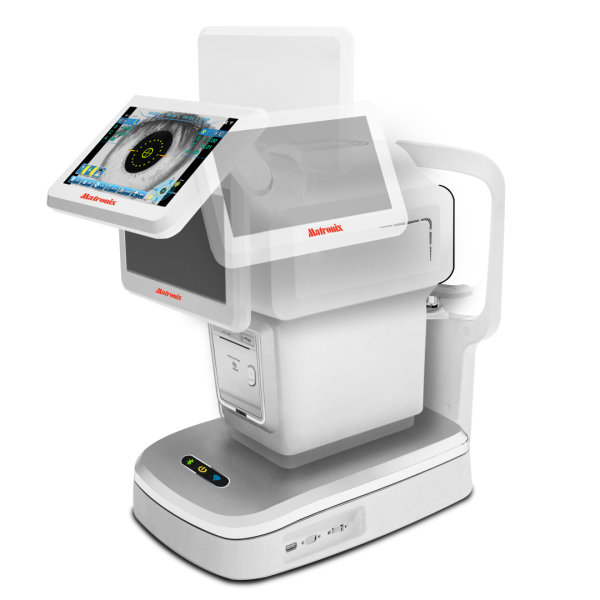
An eye test equipment called a Non-Contact Tonometer (NCT) uses a light air puff to measure intraocular pressure (IOP) without coming into contact with the eye. It offers a rapid, clean, and non-invasive way to measure eye pressure, which is essential for routine eye exams and early glaucoma identification.
Non-Invasive Eye Exams for Improved Patient Experience
A Non-Contact Tonometer (NCT) is an equipment for diagnosis that uses a soft puff of air to measure intraocular pressure (IOP) without making direct contact with the eye. This makes the process rapid, comfortable, and hygienic for patients. For the early detection and monitoring of glaucoma and other eye disorders associated with abnormal eye pressure, it is extensively utilized in ophthalmology clinics, hospitals, and vision screening programs. Because it lowers the danger of infection and does not require anesthesia, its non-invasive nature makes it perfect for routine eye exams, mass screenings, and use in high-patient-volume settings. This allows for an accurate, safe, and efficient assessment of eye health.
Comprehensive Features of Modern NCT Systems
Non-Contact Tonometers (NCT) come in a variety of forms, such as desktop devices for use in clinical settings, portable units for screenings, and sophisticated systems with integrated capabilities like auto-refractor integration or pachymetry. An intraocular pressure (IOP) measurement range of roughly 0–60 mmHg, high-speed air-puff technology, automatic alignment and measurement, digital display with data storage capabilities, and connectivity options like USB or network integration are typical key specifications. Non-invasive and contact-free operation, rapid measurement time, improved patient comfort, an easy-to-use interface, and adaptability for high-volume screenings are all significant features. With certifications like CE marking, ISO 13485 for medical device production, and FDA approval (where applicable), these products are made to fulfill international quality and safety standards, assuring dependable performance, accuracy, and compliance for clinical usage.
Certified Non-Contact Tonometers for Accurate and Comfortable Testing
Matronix Optotechnik is a reputable supplier of the latest eye test diagnostic solutions, providing superior equipment made to satisfy the demands of contemporary eye care specialists. Every product is constructed to meet strict quality standards and international certifications, with a strong emphasis on accuracy, creativity, and dependability. Purchase Non-Contact Tonometers from Matronix Optotechnik to gain access to professional-grade, certified equipment that guarantees specific intraocular pressure measurement, improved patient comfort, and dependable performance—making it a perfect option for clinics, hospitals, and eye care specialists looking for dependable and effective diagnostic solutions.
Get the Latest Price for Non-Contact Tonometer in India
Looking for the best non-contact tonometer price in India? Matronix offers advanced non-contact tonometer (NCT) machines designed for precise and comfortable intraocular pressure (IOP) measurement in eye clinics, hospitals, and vision care centers. Built with modern air-puff technology, Matronix NCT systems provide fast, hygienic, and non-invasive glaucoma screening without direct eye contact. Explore the latest non-contact tonometer machine prices in India and choose the right diagnostic solution for your professional ophthalmic setup.
Frequently Asked Questions
A Non-Contact Tonometer is an eye testing device that measures intraocular pressure (IOP) using a gentle puff of air, without touching the eye.
Measuring IOP is essential for detecting and monitoring conditions like glaucoma and other eye disorders related to abnormal eye pressure.
Yes, NCT is completely non-invasive, safe, and comfortable as it does not require direct contact or anesthesia.
It uses a controlled puff of air directed at the eye to flatten the cornea momentarily, and the device measures the eye pressure based on the cornea’s response.
NCT devices are widely used in ophthalmology clinics, hospitals, and vision screening programs, especially in high-volume settings.
Key features include a measurement range of 0–60 mmHg, auto-alignment, fast measurement, digital display, data storage, and connectivity options like USB or network integration.
They are available as desktop models for clinical use, portable devices for screenings, and advanced systems with integrated features like auto-refractor or pachymetry.
Matronix Optotechnik offers certified, high-quality NCT devices designed for accurate IOP measurement, enhanced patient comfort, and reliable performance in clinical environments.