
Fundus Camera
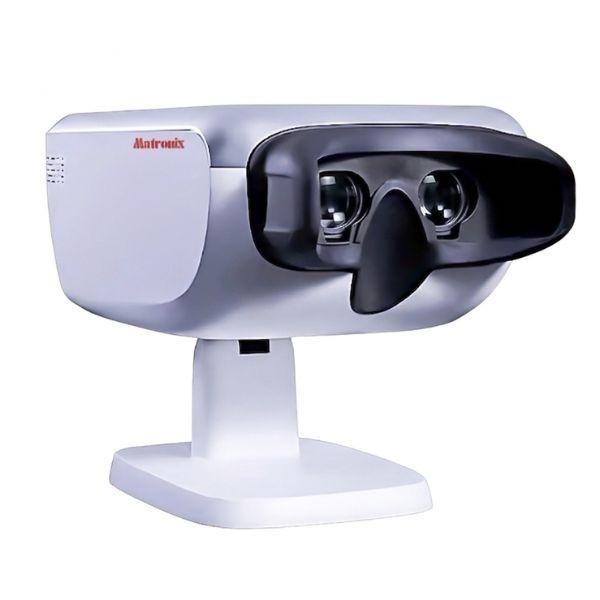
A specialized eye testing scanning equipment called a fundus camera is used to take close-up pictures of the retina, optic disc, macula, and posterior section of the eye. By offering highly precise and clear retinal pictures for clinical assessment, it is essential for the diagnosis and tracking of numerous eye disorders.
Smart Imaging Solutions for Efficient Retinal Diagnostics
A fundus camera is an advanced eye test imaging equipment that is essential to contemporary eye care diagnosis because it takes high-quality images of the retina, optic disc, macula, and posterior pole of the eye. It is frequently used to identify, record, and track a number of eye disorders, including diabetic retinopathy, glaucoma, age-related macular degeneration, and retinal detachment. Fundus cameras are vital for routine eye exams because they allow doctors to monitor the course of diseases over time and facilitate accurate clinical analysis. They are also widely used in medical educational and research settings to record retinal abnormalities, teleophthalmology for remote diagnosis, and screening programs for early detection of vision-threatening disorders. They are an essential tool for improving patient care and visual health outcomes since they can give high-resolution, non-invasive imaging.
Built for Precision: Features, Performance, and Certified Quality
Fundus cameras come in a variety of forms, such as mydriatic and non-mydriatic models, desktop systems for clinical use, portable and handheld screening devices, and sophisticated versions with fundus autofluorescence or fluorescein angiography capabilities. High-resolution imaging sensors (12MP to 24MP or higher), a field of view of 30° to 60°, autofocus and auto-capture capabilities, a minimum pupil size requirement (approximately 2.5–4.0 mm for non-mydriatic models), and connectivity options like USB, Wi-Fi, and cloud integration for data management are typical key specifications. User-friendly interfaces, ergonomic design, quick picture acquisition, reliable image clarity, and seamless workflow interaction with EMR systems are all important characteristics. In order to ensure dependable operation and clinical accuracy, these devices are constructed in accordance with international quality and safety standards. They have certifications like CE marking, ISO 13485 for medical device production, and FDA approval (where applicable).
Advanced, Certified Eye Care Equipment for Modern Clinical Needs
Matronix Optotechnik is a reputable supplier of advanced eye test diagnostic solutions, providing high-quality equipment made to satisfy the demands of contemporary eye care specialists. All goods are produced to meet strict quality requirements and industry certifications, with a strong emphasis on precision, innovation, and dependability. Buy fundus cameras from Matronix Optotechnik to gain access to professional-grade, certified equipment that provides highly accurate diagnostics, high-resolution retinal imaging, and reliable performance making it a perfect option for clinics, hospitals, and specialists dedicated to providing exceptional patient care.
Get the Best Price for Fundus Camera in India
Searching for the best fundus camera price in India? Matronix offers advanced and reliable fundus camera systems designed for high-quality retinal imaging and accurate eye disease diagnosis in clinics, hospitals, and ophthalmology centers. Matronix fundus cameras combine precision imaging technology, user-friendly operation, and durable performance to support efficient retinal examinations and comprehensive eye care diagnostics. Explore the latest fundus camera prices in India and choose the ideal solution for your professional ophthalmic setup.
Frequently Asked Questions
A fundus camera is used to capture detailed images of the retina, optic disc, macula, and posterior part of the eye. These images help in diagnosing and monitoring various eye conditions.
Fundus cameras help detect conditions such as diabetic retinopathy, glaucoma, age-related macular degeneration (AMD), and retinal detachment.
Mydriatic fundus cameras require pupil dilation for imaging, whereas non-mydriatic cameras can capture retinal images without dilation, making them more convenient for routine screenings.
Important features include high-resolution imaging (12MP–24MP or more), field of view (30°–60°), autofocus, auto-capture, minimum pupil size requirement, and connectivity options like USB, Wi-Fi, or cloud integration.
Yes, fundus cameras are non-invasive and safe. They use controlled light exposure to capture retinal images without causing harm to the eye.
Yes, fundus cameras are widely used in teleophthalmology, allowing doctors to remotely analyze retinal images and provide diagnoses.
A high-quality fundus camera should comply with international standards such as CE marking, ISO 13485 certification, and FDA approval (where applicable).
Matronix Optotechnik offers advanced, certified, and high-performance fundus cameras designed for accurate diagnostics, reliable imaging, and seamless clinical workflow integration.