
Optical Coherence Tomography
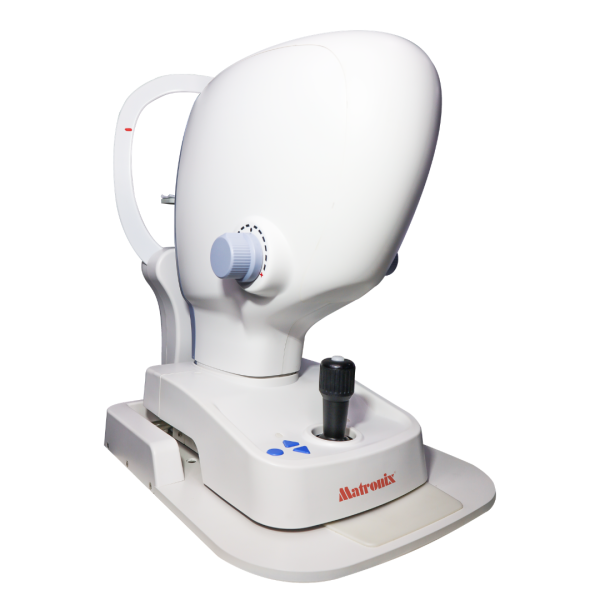
A non-invasive imaging technique called optical coherence tomography (OCT) employs light waves to take high-resolution cross-sectional pictures of the retina and other ocular tissues. It makes it possible to see retinal layers specifically which aids medical professionals in accurately identifying, diagnosing, and tracking a variety of eye disorders.
High-Resolution Retinal Imaging for Better Clinical Outcomes
By using light waves to create high-resolution, cross-sectional images of the retina and anterior portion of the eye, an optical coherence tomography (OCT) system is a non-invasive imaging technique that allows for the detailed observation of ocular structures. For the early identification, diagnosis, and monitoring of diseases like glaucoma, macular degeneration, diabetic retinopathy, and retinal edema, it is frequently utilized in ophthalmology clinics and hospitals. Additionally, OCT is essential for pre and post surgical evaluation, assisting medical professionals in determining the course of the disease and treatment results. It has uses in cardiology and dermatology in addition to ophthalmology, making it a flexible instrument for accurate imaging, better clinical judgment, and better patient care.
Smart Imaging with High-Speed, High-Resolution OCT Technology
Optical Coherence Tomography (OCT) systems are classified into three types: Spectral-Domain OCT (SD-OCT) for high-speed retinal imaging, Swept-Source OCT (SS-OCT) for deeper tissue penetration and wider scans, and Anterior Segment OCT for corneal and anterior eye analysis. Some advanced models also include OCT-Angiography (OCTA) for non-invasive vascular imaging. Axial resolution of 3–7 microns, scan speeds between 25,000 and over 100,000 A-scans per second, imaging depth of up to 2-3 mm, and integrated features like eye tracking, auto-alignment, and high-definition 3D imaging are typical key parameters. User-friendly interfaces, a small and ergonomic design, quick acquisition times, cloud connectivity and data storage, and compatibility with electronic medical record (EMR) systems for effective workflow are all significant features. These systems assure safety, dependability, and clinical accuracy for diagnostic usage by complying to international certifications and standards like CE marking, ISO 13485 for medical device quality management, and FDA approval (where applicable).
Buy Professional-Grade, Certified OCT Systems with Confidence
Matronix Optotechnik is a reputable supplier of modern eye test diagnostic solutions, offering excellent equipment designed to meet the demands of modern-day eye care specialists. We are well-known for our dedication to accuracy, creativity, and dependability, guarantees that each product satisfies strict quality standards and certifications. Purchase Optical Coherence Tomography (OCT) Systems from Matronix Optotechnik to gain access to certified, professional-grade technology that provides high-resolution imaging, highly accurate diagnostics, and reliable performance making it the perfect option for clinics, hospitals, and specialists committed to providing exceptional patient care.
Get the Best Price for Optical Coherence Tomography (OCT) Machines in India
Searching for the best OCT machine price in India? Matronix offers advanced Optical Coherence Tomography (OCT) systems designed for high-resolution retinal imaging and precise eye disease diagnosis in clinics, hospitals, and ophthalmology centers. Matronix OCT machines combine cutting-edge imaging technology, fast scanning performance, and user-friendly operation to support accurate diagnosis of glaucoma, retinal disorders, and macular diseases. Explore the latest OCT machine prices in India and choose the ideal solution for your professional eye care practice.
Frequently Asked Questions
An OCT system is a non-invasive imaging technology that uses light waves to capture high-resolution, cross-sectional images of the retina and other eye structures for detailed analysis.
OCT is commonly used to detect and monitor eye conditions such as glaucoma, macular degeneration, diabetic retinopathy, and retinal edema.
Unlike traditional imaging, OCT provides cross-sectional views of retinal layers with micrometer-level resolution, enabling more precise diagnosis and monitoring.
The main types include Spectral-Domain OCT (SD-OCT), Swept-Source OCT (SS-OCT), and Anterior Segment OCT. Some advanced systems also offer OCT-Angiography (OCTA) for vascular imaging.
Yes, OCT is completely non-invasive and safe. It uses light waves instead of radiation, making it suitable for repeated use without risk.
Important features include high axial resolution (3–7 microns), fast scan speeds (25,000–100,000+ A-scans/sec), eye tracking, auto-alignment, 3D imaging, and EMR integration.
Yes, OCT is also used in fields like cardiology and dermatology for high-precision imaging of tissues.
Matronix Optotechnik offers certified, high-performance OCT systems with advanced imaging capabilities, ensuring accurate diagnostics, reliability, and seamless clinical workflow integration.