
Retinal Disease Detection Machines
The term "retinal disease" describes a collection of conditions affecting the retina, the light-sensitive layer of tissue at the back of the eye that is in charge of gathering visual data and transmitting it to the brain via the optic nerve. These disorders, which can cause symptoms including blurred vision, distorted images, floaters, flashes of light, or vision loss, can be brought on by aging, diabetes, high blood pressure, genetics, infections, or retinal trauma.
Age-related macular degeneration (AMD), diabetic retinopathy, retinal detachment, and retinal vein occlusion are widespread retinal diseases. In order to preserve vision and avoid irreversible damage, early identification using modern retinal imaging technologies including OCT, fundus photography, and fluorescein angiography is essential.
Why Is Retinal Disease Testing Important?
Testing for retinal diseases is important because many of these conditions progress slowly and may not exhibit symptoms in their early stages. Before a patient has serious visual issues, conditions such diabetic retinopathy, age-related macular degeneration (AMD), retinal vein occlusion, and retinal tears can cause undetected retinal damage. Advanced diagnostic tests and thorough retinal examinations assist eye care specialists in identifying even the minor changes in the structure and blood vessels of the retina, enabling immediate treatment ahead of irreversible vision loss. Early diagnosis helps maintain visual function and quality of life in addition to improving treatment outcomes.
Testing for retinal diseases on a regular basis is also necessary for tracking the course of the condition and assessing how well treatments are working. Optical Coherence Tomography (OCT), fundus photography, fluorescein angiography (FFA), and OCT angiography are examples of modern diagnostic technologies that offer detailed images of the retina, allowing for detailed evaluation of retinal health. These tests help ophthalmologists detect important signs of disease activity, such as fluid buildup, normal bleeding, retinal thinning, or unusual blood vessel growth. Retinal testing promotes individualized treatment strategies and helps avoid serious problems, such as blindness and permanent visual impairment, by identifying and monitoring these changes over time.
Common Tests Used for Retinal Disease Detection
For the purpose of detecting retinal diseases, a number of specialized diagnostic tests are used frequently, each of which offers important details regarding the structure and condition of the retina. One of the most popular imaging methods is optical coherence tomography (OCT), which creates high-resolution cross-sectional images of retinal layers to identify diseases such as age-related macular degeneration, diabetic retinopathy, and macular edema. Fundus photography helps record and track retinal abnormalities throughout time by capturing finely detailed color images of the retina. In order to assess retinal blood circulation and detect leakage, blockages, or improper vessel growth, fluorescein angiography (FFA) entails injecting a fluorescent dye into the bloodstream. Additionally, OCT Angiography (OCTA) provides a non-invasive way to see retinal blood vessels without injecting dye. When combined, these tests allow ophthalmologists to accurately detect retinal diseases, evaluate the severity of the condition, track its evolution, and determine the best course of treatment.
Retinal Disease Testing Machines Available at Matronix
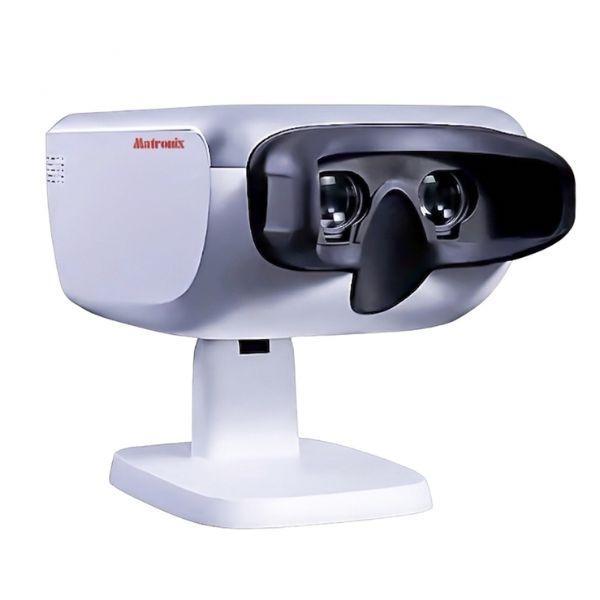
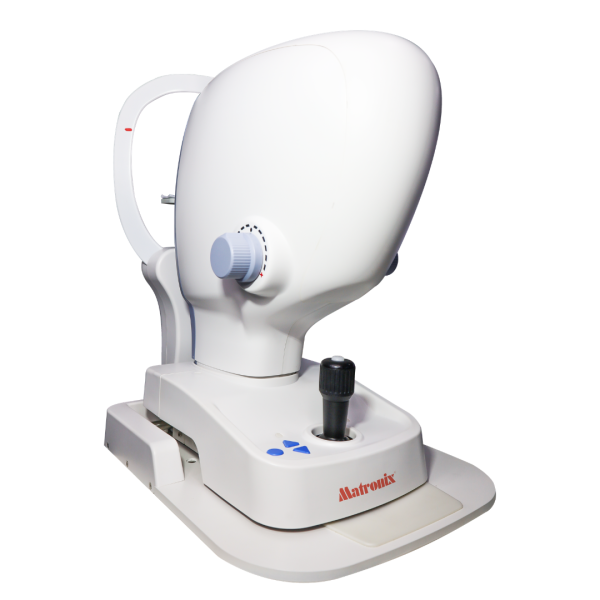
In order to help with exact diagnosis, monitoring, and treatment of retinal problems, Matronix provides a wide variety of modern testing equipment. Fundus Cameras for thorough documentation of retinal structures, Optical Coherence Tomography (OCT) systems for high-resolution cross-sectional imaging of retinal layers, and Fundus Fluorescein Angiography (FFA) equipment for assessing retinal blood circulation and identifying vascular abnormalities are all part of its portfolio.
These modern diagnostic instruments assist ophthalmologists in early detection of diseases like diabetic retinopathy, age-related macular degeneration, retinal vein occlusion, and macular edema. Matronix retinal diagnostic equipment is designed for use in hospitals, eye clinics, and specialist ophthalmology facilities. It improves patient care and clinical outcomes by combining accuracy, efficiency, advanced imaging technology, and dependable after-sales support.
Premium Retinal Disease Testing Equipment in India
Matronix offers high-quality retinal disease testing machines at competitive prices across India. Its portfolio includes advanced slit lamps, OCT systems, and diagnostic instruments that enable accurate retinal disease assessment and pre-operative planning. Built for modern eye care facilities, these solutions combine reliability, innovation, and strong technical support.
Frequently Asked Questions
Retinal disease refers to a group of conditions that affect the retina, the light-sensitive tissue at the back of the eye responsible for sending visual information to the brain. Common retinal diseases include diabetic retinopathy, age-related macular degeneration (AMD), retinal detachment, and retinal vein occlusion.
Retinal disease testing is essential because many retinal conditions develop gradually and may not show noticeable symptoms in their early stages. Early detection helps ophthalmologists diagnose and treat retinal problems before they cause permanent vision loss.
Common symptoms of retinal diseases include blurred vision, distorted or wavy images, floaters, flashes of light, reduced central vision, dark spots in the field of vision, and sudden vision loss. Anyone experiencing these symptoms should seek immediate eye evaluation.
Several advanced tests are used to diagnose retinal diseases, including Optical Coherence Tomography (OCT), Fundus Photography, Fundus Fluorescein Angiography (FFA), and OCT Angiography (OCTA). These technologies provide detailed images of retinal structures and blood vessels for accurate diagnosis and monitoring.
OCT (Optical Coherence Tomography) provides high-resolution cross-sectional images of the retina, allowing eye specialists to detect conditions such as diabetic retinopathy, macular edema, and age-related macular degeneration. It helps monitor disease progression and evaluate treatment effectiveness.
Matronix offers a comprehensive range of retinal diagnostic equipment, including Optical Coherence Tomography (OCT) systems, Fundus Cameras, and Fundus Fluorescein Angiography (FFA) systems. These advanced solutions support accurate diagnosis, disease monitoring, and treatment planning for various retinal disorders.