
Refractive Error Testing Machines

A frequent issue that causes blurry or distorted vision is called a refractive error, which happens when the shape of the eye prevents light from focusing correctly on the retina. When the cornea, lens, or overall length of the eye are not correctly aligned, the focal point falls either in front of or behind the retina. In a normal eye, light rays are perfectly focused on the retina to form distinct images.
Myopia (nearsightedness), hyperopia (farsightedness), astigmatism, and presbyopia are the primary forms of refractive defects. All ages are sensitive to these diseases, which can manifest as headaches, fuzzy vision, eye strain, and trouble seeing objects at specific distances. The good news is that refractive errors can be successfully treated with glasses, contact lenses, or refractive surgery after being correctly identified during eye exams.
Why Is Refractive Error Testing Important?
Testing for refractive error is necessary because it helps detect visual issues that may interfere with day-to-day tasks including reading, driving, using digital devices, and identifying distant things. Astigmatism, presbyopia, myopia (nearsightedness), and hyperopia (farsightedness) are conditions that frequently develop gradually, and many people may not become aware of their declining vision until it starts to negatively affect their quality of life. Early detection through thorough eye exams enables eye care specialists to prescribe the appropriate vision correction, minimizing symptoms including headaches, blurred vision, eye strain, and difficulties focusing. Comprehensive testing guarantees that patients get the best care possible to attain comfortable and clear vision.
Maintaining general eye health and tracking changes in vision over time also depend on routine refractive error testing. Detailed assessments of the eye's refractive state are provided by highly advanced diagnostic instruments including auto refractometers, keratometers, and digital vision testing systems. This allows for more accurate prescriptions and improved visual results. Early testing can help youngsters avoid learning challenges brought on by untreated vision issues, and it guarantees that corrective lenses are updated on time for adults and elderly people whose vision changes as they mature. Eye care specialists can boost productivity, promote long-term ocular health, and improve visual performance by rapidly and accurately recognizing refractive problems.
Common Tests Used for Refractive Error Detection
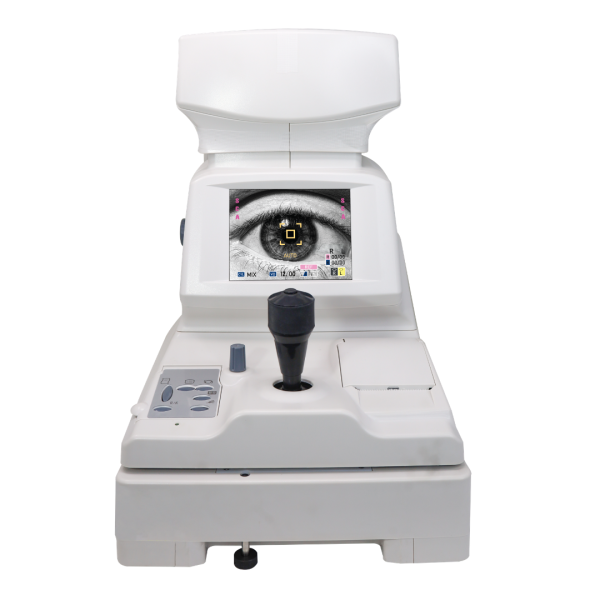
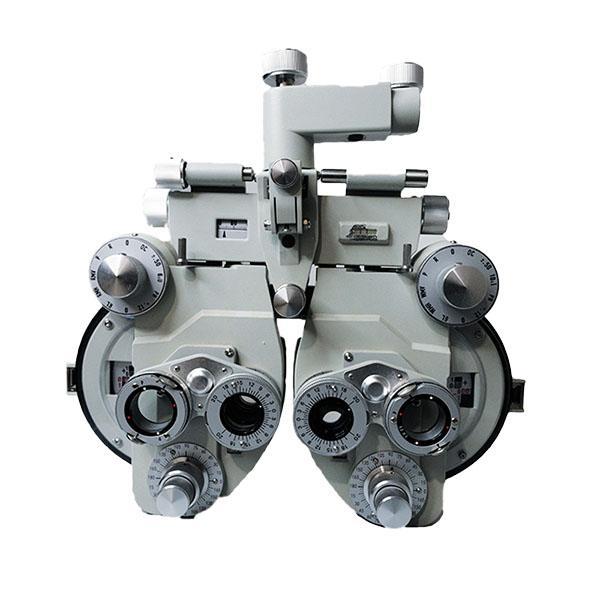
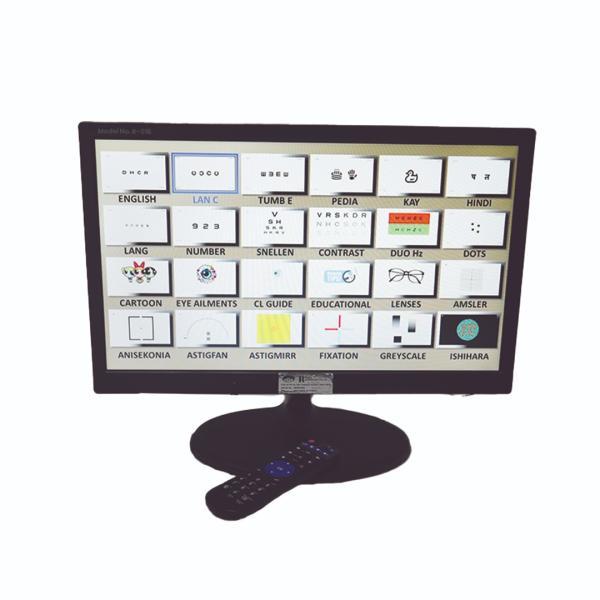
To properly detect and evaluate refractive errors, a number of diagnostic tests are often performed. The first step is Visual Acuity Testing, which uses an eye chart to determine how well a person can see at various distances. The refractive power of the eye is then objectively measured using an Auto Refractometer, that helps in the diagnosis of disorders such astigmatism, hyperopia, and myopia. Another essential test is retinoscopy, in which a medical practitioner assesses how light reflects off the retina to determine the amount of corrective lens power needed. The cornea's curvature can also be measured using keratometry, particularly when evaluating astigmatism. Lastly, a Subjective Refraction Test allows the patient to examine various lens options and choose the one that offers the clearest vision, which assists in improving the prescription. When combined, these tests make it possible to accurately diagnose refractive problems and guarantee the right prescription for the best possible visual clarity.
Refractive Error Testing Machines Available at Matronix
Matronix provides a variety of specialized refractive error testing devices that are intended to give eye care specialists reliable and successful vision checks. Its line of products includes Auto Refractometers, which assess refractive errors including myopia, hyperopia, and astigmatism objectively, and Auto Refractometer-Keratometers, which evaluate corneal curvature and refractive error simultaneously. These devices assist physicians expedite patient exams and increase prescription accuracy by providing quick, accurate results.
Matronix refractive diagnostic equipment is ideal for ophthalmology clinics, hospitals, and optical centers. It meets contemporary eye care needs by combining the latest technology, easy-to-use operation, dependable performance, and trustworthy after-sales service.
Affordable Refractive Error Testing Devices for Ophthalmologists
Discover affordable cataract testing equipment in India with Matronix’s advanced ophthalmic diagnostic solutions. From slit lamps and A-Scan systems to OCT devices, Matronix offers reliable technology for accurate cataract detection and surgical planning. Designed for hospitals and eye clinics, these systems deliver precision, efficiency, and dependable after-sales support.
Frequently Asked Questions
A refractive error is a vision problem that occurs when the eye cannot properly focus light onto the retina, resulting in blurred or distorted vision. Common types of refractive errors include myopia (nearsightedness), hyperopia (farsightedness), astigmatism, and presbyopia.
Common symptoms of refractive errors include blurry vision, difficulty seeing objects at certain distances, headaches, eye strain, squinting, fatigue while reading or using digital devices, and difficulty focusing on near or distant objects.
Refractive error testing helps identify vision problems early and ensures patients receive the correct prescription for glasses or contact lenses. Early diagnosis can improve visual clarity, reduce eye strain and headaches, and support better performance in daily activities such as reading, driving, and working on computers.
Eye care professionals use several tests to diagnose refractive errors, including Visual Acuity Testing, Auto Refraction, Retinoscopy, Keratometry, and Subjective Refraction Testing. These assessments help determine the exact corrective lens power required for clear vision.
An Auto Refractometer objectively measures the eye's refractive power and quickly detects conditions such as myopia, hyperopia, and astigmatism. It provides accurate preliminary measurements that help eye care professionals determine the appropriate vision correction.
Matronix offers advanced refractive diagnostic devices, including Auto Refractometers and Auto Refractometer-Keratometers. These systems provide fast and accurate measurements of refractive errors and corneal curvature, making them ideal for ophthalmology clinics, hospitals, and optical centers seeking reliable vision testing solutions.