
HVF Eye Test: Meaning, Procedure and Normal Results
Published On: 23/Mar/2026Vision is a complicated process that includes both the ability to see clearly in front of us (central vision) and the ability to sense our surroundings (peripheral vision), both of which are necessary for everyday activities and safe navigation. An important diagnostic technique for determining a person's entire range of vision and spotting any blind spots or areas of diminished sensitivity that can go unreported is visual field testing. Early detection of peripheral vision loss is particularly essential since it might indicate significant eye problems like glaucoma or neurological illnesses, frequently before symptoms become apparent. The Humphrey Visual Field test, which uses automated technology to map the visual field in detail and aids eye care specialists in accurately diagnosing, tracking, and managing a variety of vision-related disorders, is one of the most popular and dependable procedures for this purpose.
What Is an HVF Eye Test?
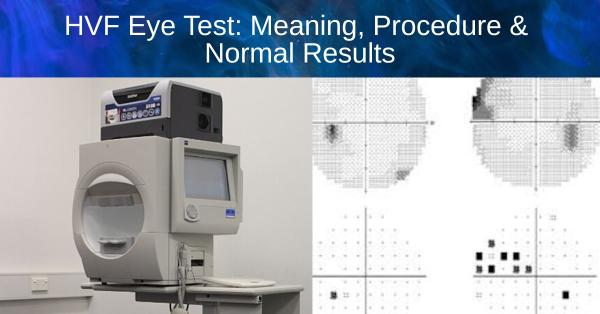
The Humphrey Visual Field test is a computerized diagnostic tool that evaluates a person's ability to detect light stimuli at various locations in order to quantify their entire field of vision, including both central and peripheral areas. Finding blind spots, decreased sensitivity, or visual field flaws that might not be apparent in daily life is its main goal. In order for the gadget to map visual response throughout the field of vision, the patient must focus on a central point while lights of various intensities appear in various locations. This advanced eye test machine performs a detailed assessment that aids eye care providers in identifying and tracking diseases like glaucoma, optic nerve damage, retinal problems, and some neurological issues that can impair vision.
Why Is the HVF Test Important?
The Humphrey Visual Field test is significant because it is essential for the early identification of vision issues, particularly those pertaining to peripheral vision, which frequently manifest without obvious symptoms. Early detection of modest visual field impairments enables prompt diagnosis and treatment, potentially preventing irreversible vision loss. Additionally, the test is essential for tracking how eye conditions develop over time, allowing medical personnel to modify treatment regimens in response to changes in visual function. This level of accuracy is made possible through advanced devices like the automatic perimeter, which helps detect even minor changes in the visual field. It is especially important for treating glaucoma, which can cause silent, progressive vision loss, and for diagnosing neurological illnesses that may affect the visual pathways, such as brain tumors, strokes, or problems of the optic nerve.
When Is an HVF Test Recommended?
When a person has symptoms like blurred vision, trouble seeing things to the side, or unexplained peripheral vision loss, the Humphrey Visual Field test is advised because these could be signs of underlying visual field abnormalities. For high-risk patients, such as those with a family history of eye illness, diabetes, or high eye pressure, it is frequently included in routine eye checkups. In order to track changes in their vision, patients who have been diagnosed with or suspected of having glaucoma or optic nerve damage are frequently recommended to have this test performed on a regular basis. In order to assess the efficacy of interventions and monitor any advancement or improvement in visual function, the HVF test is also performed before and after treatments, such as medicine or surgery.
HVF Test Procedure
Although patients should wear their prescribed glasses if necessary for correct findings, the Humphrey Visual Field test process is straightforward and patient-friendly, requiring no extra preparation. Clear instructions are given beforehand to guarantee adequate understanding. In order for the machine to accurately map the visual field, the patient is asked to focus on a central target and press a button whenever they notice tiny lights appearing in their peripheral vision. The patient is seated comfortably with their chin resting on a support, and one eye is tested at a time while the other is covered. The test is a rapid way to evaluate visual function, usually taking 5 to 10 minutes each eye.
Understanding HVF Test Results
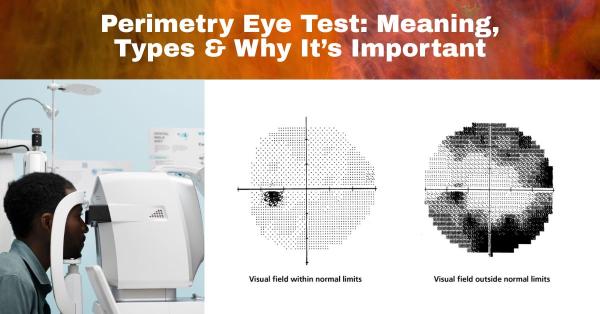
It is necessary to comprehend the Humphrey Visual Field test results in order to assess total visual function. A full and symmetrical visual field in both eyes, no noticeable blind spots (called scotomas), and steady patient responses throughout the test are typical of normal results. This shows that there are no visible abnormalities impacting the visual pathways and that both central and peripheral vision are operating normally.
Important parameters that aid in a detailed interpretation of the results are also included in HVF reports. While Pattern Standard Deviation (PSD) draws attention to anomalies or localized flaws in the visual field, Mean Deviation (MD) indicates the general decrease in visual sensitivity relative to normal levels. A percentage-based assessment of visual function, the Visual Field Index (VFI) is frequently used to monitor the course of an illness over time. Furthermore, reliability indices such as fixation losses, false positives, and false negatives are essential for assessing how reliable and accurate the test results are, guaranteeing that the data may be utilized with confidence for diagnosis and treatment.
What Abnormal Results May Indicate
Depending on the pattern and location of vision loss, abnormal results on the Humphrey Visual Field test may point to a variety of underlying neurological or ocular problems. For example, some patterns of vision loss may indicate neurological problems such as brain lesions or stroke impacting the visual pathways, while distinctive peripheral field deficiencies are frequently linked to glaucoma. Abnormalities may also indicate injury to the optic nerve, which is essential for sending visual information from the eye to the brain, or retinal illnesses that affect light perception or signal processing.
Limitations of the HVF Test
Despite its high effectiveness, the Humphrey Visual Field test has some drawbacks that are mostly connected to test settings and patient cooperation. The patient's focus and prompt reactions are essential to the accuracy of the results, therefore distractions or misinterpretations of instructions can have an impact. Additionally, there is a learning curve effect, which means that until they get used to the test, new patients may yield less accurate results. Additionally, because the method necessitates prolonged focus, weariness during the process may result in missing responses or irregular performance. Because of these factors, repeat testing is frequently required to validate results and guarantee dependable, consistent outcomes throughout time.
Tips for Accurate HVF Test Results
Patients must remain relaxed and concentrated throughout the Humphrey Visual Field exam to achieve reliable findings, as excessive stress or distraction can alter responses. Reliability can be increased by carefully adhering to the directions, such as keeping a stable fixation on the central target and reacting only when lights are clearly visible. In order to avoid eye dryness, which can impair vision throughout the test, patients should also blink often. If they feel fatigued, they should let the technician know so that they can take brief breaks, which will improve focus and produce more reliable findings.
In the end, the Humphrey Visual Field test is an essential diagnostic tool that offers comprehensive insights into the health of the visual field and test results by evaluating both central and peripheral vision through a straightforward, non-invasive technique. It is an important part of modern eye test equipment used in ophthalmology clinics for accurate diagnosis and monitoring of various eye conditions. It is essential for tracking the development of different ocular and neurological problems over time as well as for the early detection of eye conditions like glaucoma. It is important for people, especially those who are at risk, to prioritize routine check-ups for long-term eye health because regular eye exams that include HVF testing can greatly aid in preserving vision.
Author's Bio

Mr. Rajender Gupta
(Director, Matronix Optotechnik Pvt. Ltd.)
With a vision to make advanced eye-care technology accessible across India and beyond, the Director of Matronix Optotechnik Pvt. Ltd. has been leading innovation in smart ophthalmic solutions since founding the company in 2019. Building on decades of industry experience and the global legacy of the Matronix brand since 2007, he has transformed the company into a trusted name in precision eye-testing equipment.

Frequently Asked Questions
No, the HVF eye test is completely painless and non-invasive. It simply requires you to look at a central point and respond when you see lights, making it a comfortable and safe procedure.
The test usually takes about 5 to 10 minutes per eye. The total duration may vary slightly depending on the patient’s response time and the specific test settings used.
The frequency depends on your eye health. People with conditions like glaucoma or those at higher risk may need the test regularly, while others may only require it during routine eye check-ups as advised by their eye specialist.
Normal results mean that both central and peripheral vision are functioning properly, with no significant blind spots or loss of sensitivity, indicating healthy visual pathways.