
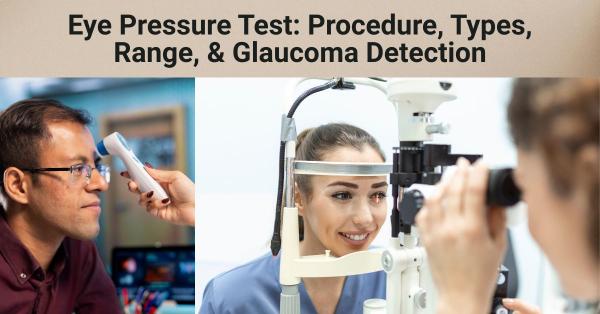
Eye Pressure Test: Procedure, Types, Range, & Glaucoma Detection
Published On: 03/May/2026Table of Contents
The fluid pressure inside the eye, known as intraocular pressure (IOP), endures by an appropriate balance between aqueous humor production and drainage. Maintaining the eye's structure and appropriate optical function is important. One of the main risk factors for glaucoma is abnormal IOP, particularly excessive levels. IOP monitoring assists in the early identification and prevention of visual loss.
What is Tonometry?
Intraocular pressure (IOP), or the fluid pressure inside the eye, is measured by tonometry, a diagnostic technique that is essential to evaluating the health of the eyes. Applanation tonometers, non-contact (air puff) tonometers, and portable devices, all of which are made to deliver precise IOP readings, can be used for this examination. Because glaucoma, sometimes known as the "silent thief of sight," can cause progressive vision loss without obvious symptoms in its early stages, tonometry is particularly important in the early detection and treatment of this medical condition. Tonometry is an important aspect of routine eye exams and glaucoma screening programs because it allows for early intervention, helps track the evolution of the condition, and directs treatment options by detecting increased IOP or aberrant pressure changes.
Types of Eye Pressure Tests
Intraocular pressure (IOP) can be measured using a variety of eye pressure tests, each with a distinctive method and clinical utility. The gold standard for diagnosing and tracking glaucoma is applanation tonometry, which measures the force needed by gently flattening a portion of the cornea with a tiny probe. This method provides extremely reliable readings. Non-contact tonometry, also referred to as the air puff test, is a rapid, pleasant, and popular screening method used in regular eye exams. It flattens the cornea without contacting the eye by using a brief blast of air. Rebound tonometry, on the other hand, measures intraocular pressure (IOP) without the requirement for anesthesia by using a small, light probe that briefly touches the cornea and rebounds back. It is particularly helpful for patients who may have trouble with other techniques, children, or home monitoring. When combined, these eye test machines provide adaptable and efficient ways to measure eye pressure and aid in the early identification and treatment of ocular disorders.
How is an Eye Pressure Test Performed?
Intraocular pressure (IOP) can be measured quickly and easily with an eye pressure test (tonometry), usually as part of a normal eye examination. The first step in the procedure is to prepare the patient, who is seated comfortably and instructed to maintain their eyes stable by focusing on a single location. In non-contact (air puff) tonometry, no drops are used and a quick puff of air is directed at the eye to measure pressure without direct contact, whereas in applanation tonometry, numbing eye drops are applied to prevent discomfort and a tiny probe gently touches the cornea to measure the force required to flatten it.Rebound tonometry, which frequently doesn't require anesthetic, uses a tiny probe to gently tap the cornea for a brief period of time. The entire test is harmless, takes only a few minutes, and may result in mild pressure or air puff surprise, among other minor feelings. This easy but essential procedure ensures timely treatment and prevents vision loss by helping in the early detection and monitoring of eye diseases like glaucoma.
What is Normal Eye Pressure?
Intraocular pressure (IOP), also known as normal eye pressure, normally falls between 10 and 21 mmHg, which is thought to be the healthy range required to preserve the form and functionality of the eye. IOP is typically somewhat higher in the morning and lower in the evening, but this range can vary depending on a number of factors, including age, corneal thickness, time of day, and individual physiology. It's vital to remember that while some people may have higher-than-normal readings without any immediate harm (ocular hypertension), others may develop glaucoma even within the normal range (known as normal-tension glaucoma). In order to effectively assess eye health and identify any risk of vision loss early, routine monitoring in conjunction with thorough eye examinations is needed. A single measurement is therefore not always sufficient.
What Do High or Low Readings Mean?
Intraocular pressure (IOP) measurements that are high or low should be carefully examined because they may reveal various underlying eye diseases. A primary risk factor for glaucoma is high intraocular pressure (IOP), which over time can harm the optic nerve and cause slow, permanent vision loss if left untreated. Although less often, abnormally low IOP can be linked to disorders like ocular hypotony, which can be brought on by trauma, inflammation, surgery, or decreased aqueous humor production. This condition can cause blurred vision or structural alterations in the eye. Regular eye exams are important for proper detection, monitoring, and management of eye health since IOP levels alone do not confirm a diagnosis; instead, they must be interpreted in conjunction with other clinical findings.
Who Should Get an Eye Pressure Test?
For many people, especially those who are more likely to develop eye disorders, an eye pressure test (tonometry) is advised. Age is an important factor because those over 40 are more vulnerable to elevated intraocular pressure and associated conditions like glaucoma, necessitating routine screening. People who have systemic illnesses like diabetes mellitus are also more likely to experience eye problems, therefore they should have regular eye exams that include measuring their intraocular pressure.A family history of glaucoma also greatly increases the chance of getting this condition, so people who have relatives who have it should be especially watchful. In such groups, routine ocular pressure measurement assists in the early identification, immediate intervention, and avoidance of possible vision loss.
Benefits of Early Glaucoma Detection
Since glaucoma frequently advances silently without obvious signs in its early stages, early detection is essential for preventing permanent vision loss and maintaining long-term eye health. Treatment, such as medication, laser therapy, or surgery, can be started in a timely manner to delay or stop the progression of the disease by detecting raised intraocular pressure or early optic nerve abnormalities through routine screening. This preventive therapy lowers the chance of serious problems, such as permanent blindness, while simultaneously maintaining visual function and quality of life. In order to ensure efficient management and safeguard general ocular health throughout time, regular monitoring and early intervention are essential.
Modern Tonometry Devices
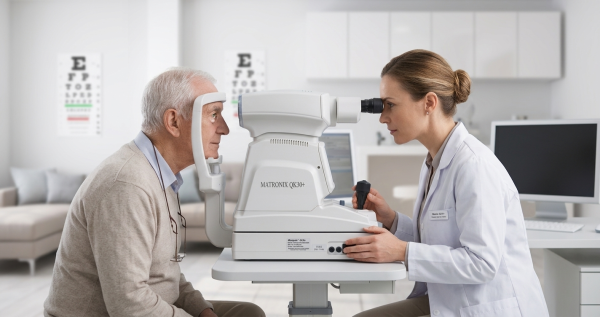
Eye pressure testing has been revolutionized by modern tonometry equipment, especially the Non-Contact Tonometer (NCT), which provides a rapid, secure, and patient-friendly way to measure intraocular pressure (IOP). In contrast to conventional methods, NCT does not require anesthesia since it gently flattens the cornea using a controlled blast of air instead of making direct contact with the eye. This makes the process very comfortable, lowers the chance of infection, and is particularly appropriate for sensitive individuals, kids, and routine screenings. The test takes only a few seconds to perform and offers instant results that enable effective diagnosis and improved patient care in contemporary ophthalmic practice by supporting the early detection and monitoring of diseases like glaucoma.
Tonometry vs Other Eye Tests
Tonometry is a vital component of a thorough eye exam, but it works best when combined with other diagnostic procedures rather than by itself. Tonometry does not reveal details about the structure or function of the optic nerve and retina, even though it measures intraocular pressure (IOP), a major risk factor for glaucoma. As a result, it is frequently used in conjunction with studies including visual field testing to measure peripheral vision loss, optical coherence tomography (OCT) to check retinal nerve fiber layers, and ophthalmoscopy to examine the optic nerve head. Together, these complimentary diagnostics offer a comprehensive picture of eye health, enabling medical professionals to identify glaucoma early, confirm the diagnosis, track its progression, and design the best course of action for improved long-term results.
In summary, regular eye pressure checks are vital for preserving ocular health since they allow for the early detection of diseases like glaucoma, which can develop silently and cause irreversible vision loss if treatment is not received. Frequent intraocular pressure monitoring greatly improves patient outcomes by assisting clinicians in early risk detection and immediate action. The use of advanced tonometry equipment in clinics, such as digital applanation systems and non-contact tonometers, improves patient comfort, speed, and accuracy while increasing the effectiveness and accessibility of tests. In order to assist long-term vision preservation and better overall management of eye illnesses, current diagnostic technologies and regular eye pressure evaluation are essential components of preventive eye care.
Author's Bio

Mr. Rajender Gupta
(Director, Matronix Optotechnik Pvt. Ltd.)
With a vision to make advanced eye-care technology accessible across India and beyond, the Director of Matronix Optotechnik Pvt. Ltd. has been leading innovation in smart ophthalmic solutions since founding the company in 2019. Building on decades of industry experience and the global legacy of the Matronix brand since 2007, he has transformed the company into a trusted name in precision eye-testing equipment.

Frequently Asked Questions
No, an eye pressure test (tonometry) is generally painless. In methods like the air puff test, there is no contact with the eye, while in applanation tonometry, numbing eye drops are used to ensure comfort.
It is recommended to have an eye pressure test every 1–2 years after the age of 40, or more frequently if you have risk factors such as a family history of glaucoma, diabetes, or existing eye conditions.
Yes, elevated intraocular pressure often does not cause noticeable symptoms in the early stages. This is why glaucoma is known as the “silent thief of sight,” making regular eye exams essential.
If your eye pressure is higher than normal, your doctor may recommend further tests to check for glaucoma or other eye conditions. Treatment may include eye drops, laser therapy, or surgery to reduce pressure and prevent vision loss.