
FFA Eye Test: Procedure, Uses, Risks & Results
Published On: 28/Apr/2026Fundus Fluorescein Angiography (FFA) is an imaging method for diagnosis that uses a fluorescent dye to assess blood flow in the choroid and retina. It assists in the detection of retinal disorders like vascular blockages, macular degeneration, and diabetic retinopathy. Leakage, ischemia, and aberrant blood vessels can all be seen in great detail using FFA. It is essential for comprehensive retinal disease diagnosis, therapy planning, and monitoring.
What is Fundus Fluorescein Angiography?
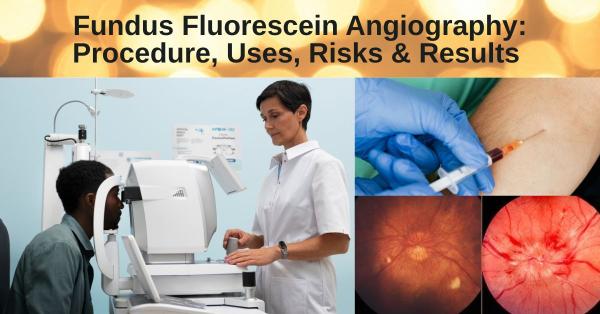
Fundus Fluorescein Angiography (FFA) is a particular eye imaging technique that involves injecting a fluorescent dye (fluorescein) into a vein, typically in the arm, and taking sequential pictures as the dye travels through the retinal blood vessels to assess blood circulation in the retina and choroid. Clinicians can detect anomalies including leakage, obstruction, or neovascularization thanks to this method, which offers comprehensive information about the integrity and function of the retinal vasculature. By identifying regions of ischemia, fluid leakage, or abnormal vascular growth, FFA is essential for the detection and diagnosis of a variety of retinal disorders, including as diabetic retinopathy, age-related macular degeneration, retinal vein occlusions, and central serous chorioretinopathy. It is a vital tool for specific diagnosis, directing treatment choices like laser therapy or injections, and tracking the course of a disease over time due to its capacity to provide dynamic, real-time imagery.
How Does FFA Work?
In order to perform Fundus Fluorescein Angiography (FFA), a fluorescent dye called sodium fluorescein is injected into a vein, typically in the patient's arm. The dye then quickly moves through the circulation and, in a matter of seconds, reaches the blood vessels of the retina and choroid. The dye emits a brilliant yellow-green fluorescence that shows the retinal vasculature in detail as it circulates, permitting a series of high-resolution images to be captured using a specialized fundus camera fitted with blue excitation light and filters. By observing the many stages of blood flow, such as the choroidal flush, arterial phase, venous phase, and late phase, this imaging technique enables medical professionals to identify irregularities such leakage, obstruction, staining, or abnormal new artery creation. Eye care specialists can carefully evaluate retinal disorders such diabetic retinopathy and retinal vein occlusion by examining these patterns, helping in diagnosis, treatment planning, and continuous disease progression monitoring.
When is FFA Recommended?
When a thorough evaluation of retinal blood flow and vascular integrity is necessary, Fundus Fluorescein Angiography (FFA) is advised, especially in situations where a clinical examination is not enough to determine the degree of damage. It is frequently used to detect retinal neovascularization, microaneurysms, and areas of capillary non-perfusion in patients with diabetic retinopathy. The results of this study have significance for staging the condition and directing treatment. FFA aids in the detection of choroidal neovascular membranes and leakage patterns that affect anti-VEGF treatment choices in cases with Age-Related Macular Degeneration. It is also very helpful in diagnosing retinal vascular occlusions, such as retinal vein occlusion and retinal artery occlusion, where it shows ischemia and delayed or obstructed blood flow. In general, FFA is advised anytime accurate imaging of retinal circulation is required for diagnosis confirmation, severity assessment, and management planning.
Step-by-Step FFA Procedure
Fundus Fluorescein Angiography (FFA) starts with patient preparation, which includes reviewing the patient's medical history for allergies, getting informed consent, and dilating the pupil with mydriatic eye drops to provide a clear image of the retina. Following preparation, a fluorescent dye (sodium fluorescein) is injected into a vein, usually in the arm. The patient may be informed of any temporary side effects, such as moderate nausea or a warm feeling. A dedicated fundus camera records a series of photos in various phases, such as the early choroidal flush, arterial phase, arteriovenous phase, venous phase, and late phase, as the dye quickly flows to the eye. Each of these phases provides vital information regarding retinal blood flow. Accurate diagnosis and efficient treatment planning are made possible by these pictures' ability to detect irregularities including leakage, blockage, or distorted vascular growth, which are frequently observed in diseases like Age-Related Macular Degeneration and Diabetic Retinopathy.
Phases of FFA Imaging
Fundus Fluorescein Angiography (FFA) imaging has been divided into different stages that indicate the sequential passage of fluorescein dye through the ocular circulation, starting with the choroidal phase, in which the dye appears as a patchy "choroidal flush" due to the choroid's rich vascular supply beneath the retina. This is followed by the arterial phase, in which the retinal arteries rapidly fill with dye, providing for clear vision of arterial circulation and detecting any delays or obstructions in arterial flow. The venous phase follows, in which the dye enters the retinal veins in a laminar pattern and progressively fills them entirely, providing valuable information regarding venous drainage and revealing abnormalities such as leakage, obstruction, or vessel wall damage. Careful examination of these phases is required for diagnosing and managing retinal vascular disorders, as each phase emphasizes distinct elements of retinal blood flow and pathology.
What Do the Results Show?
Fundus Fluorescein Angiography (FFA) results reveal important details on retinal vascular health by revealing problems such as leakage, blockage, and aberrant blood vessel development. Leakage is characterized by increasing fluorescence over time, indicating a breakdown of the blood-retinal barrier. It is typically seen in disorders such as diabetic retinopathy and age-related macular degeneration, in which fluid or dye escapes from damaged capillaries into surrounding retinal tissue. Blockage, on the contrary, is defined as areas of decreased or absent fluorescence, indicating blocked or absent blood flow caused by artery occlusion or bleeding, as shown in Retinal Vein Occlusion. FFA can also reveal aberrant blood arteries called neovascularization, which look as irregular, fragile networks that bleed dye profusely and suggest disease progression or ischemia. By examining these patterns, clinicians may reliably identify retinal problems, measure severity, and suggest effective treatments.
Risks & Side Effects
Fundus Fluorescein Angiography (FFA) is a relatively safe treatment, although as with any diagnostic test requiring intravenous dye, there are certain risks and side effects, the most of which are minor and temporary. The most common side effect is nausea, which can develop shortly after fluorescein dye injection and usually resolves fast without therapy. Some individuals may also notice a brief heated sensation, disorientation, or a metallic taste in their tongue. Allergic reactions can develop in rare circumstances, ranging from moderate symptoms like itching, skin rash, or hives to more serious reactions like breathing difficulties or anaphylaxis, however these severe responses are exceedingly rare. Additionally, short-term yellow staining of the skin and urine may be observed for a few hours following the test as the dye is removed from the body. Proper patient screening and physician supervision serve to reduce risks, making FFA a useful and typically well-tolerated method for identifying retinal diseases such diabetic retinopathy and age-related macular degeneration.
FFA vs OCT: What’s the Difference?
Although both Fundus Fluorescein Angiography (FFA) and Optical Coherence Tomography (OCT) are vital retinal imaging methods, their methods and goals are very different. FFA is a functional imaging technique that highlights leakage, blockage, and abnormal blood vessels, particularly in conditions like Diabetic Retinopathy and Age-Related Macular Degeneration. It does this by using a fundus camera in addition with an injected fluorescent dye to capture dynamic images of retinal blood flow. OCT, on the other hand, uses light waves to create high-resolution cross-sectional images of the retina, enabling detailed visualization of retinal layers and structural changes like swelling, thinning, or fluid accumulation. It is a non-invasive alternative that does not require dye injection. The two methods are complementary in clinical practice since OCT is excellent at delivering precise structural information, while FFA is more suited for evaluating vascular function and circulation problems. By combining structural and functional imaging for accurate diagnosis and efficient treatment planning, they provide a thorough understanding of retinal diseases.
Benefits of Advanced Retinal Imaging Devices
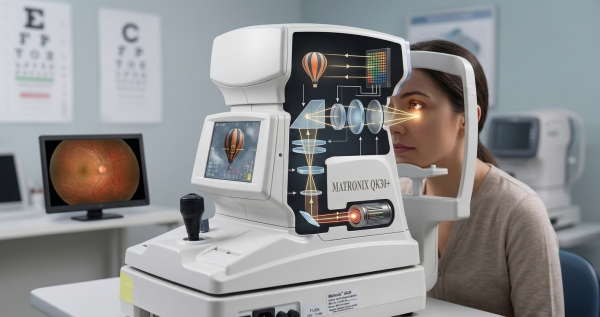
By enabling quicker diagnosis and more efficient patient treatment through high-resolution, real-time observation of retinal structures and blood flow, advanced retinal imaging equipment have greatly enhanced eye care. Clinicians can quickly identify conditions like Diabetic Retinopathy and Age-Related Macular Degeneration before significant vision loss occurs thanks to technologies like Optical Coherence Tomography (OCT), fundus cameras, and angiography systems. While comprehensive imaging assists in accurately assessing disease progression and treatment response, faster image acquisition and automated analysis shorten examination times, increase clinical efficiency, and facilitate quick decision-making. As a result, these advanced eye test machines not only improve diagnostic accuracy but also allow for more individualized treatment planning, better patient outcomes, and better long-term care of retinal illnesses.
In the final analysis, early detection of retinal diseases is important for preventing irreversible vision loss and providing timely treatment, particularly in progressive conditions like Age-Related Macular Degeneration and Diabetic Retinopathy, where symptoms might not appear until substantial damage has already been done. By offering comprehensive insights into the functional and structural aspects of the retina, advanced imaging technologies like Fundus Fluorescein Angiography (FFA) and Optical Coherence Tomography (OCT) play an important part in helping clinicians identify abnormalities early on, correctly diagnose conditions, and track treatment outcomes over time. These imaging methods have become essential in contemporary ophthalmology by facilitating accurate evaluation and directing focused interventions, thereby improving patient care, maintaining vision, and raising general quality of life.
Author's Bio

Mr. Rajender Gupta
(Director, Matronix Optotechnik Pvt. Ltd.)
With a vision to make advanced eye-care technology accessible across India and beyond, the Director of Matronix Optotechnik Pvt. Ltd. has been leading innovation in smart ophthalmic solutions since founding the company in 2019. Building on decades of industry experience and the global legacy of the Matronix brand since 2007, he has transformed the company into a trusted name in precision eye-testing equipment.

Frequently Asked Questions
FFA is generally not painful, but you may feel a slight prick during the dye injection. Some patients experience mild discomfort, such as nausea or a warm sensation, which usually subsides quickly.
The entire FFA procedure typically takes about 10–20 minutes. However, you may need to spend additional time at the clinic for preparation, including pupil dilation and post-test observation.
Patients should inform their doctor about any allergies, medications, or existing medical conditions. It is also advisable to arrange transportation, as vision may remain blurred for a few hours due to dilating eye drops.
FFA is particularly useful for evaluating retinal blood flow and detecting issues like leakage, blockages, or abnormal blood vessel growth, which may not be visible through standard eye exams or imaging techniques like OCT.