
Tonometry Test: Meaning, Procedure & Normal Eye Pressure
Published On: 27/Feb/2026Table of Contents
- • What Is a Tonometry Test?
- • Meaning of Eye Pressure (Intraocular Pressure)
- • Purpose of the Tonometry Test
- • Types of Tonometry Tests
- • Tonometry Test Procedure
- • Normal Eye Pressure Range
- • Understanding Tonometry Test Results
- • Accuracy & Limitations of Tonometry
- • Tonometry Test Safety & Risks
- • Tonometry Test vs Other Eye Pressure Assessments
A tonometry test is a rapid and painless process for measuring intraocular pressure (IOP), the fluid pressure inside the eye that is required to keep it in shape and operate properly. Over time, any rise in this pressure might silently harm the optic nerve since it depends on a delicate balance between fluid production and outflow. Even for those without obvious vision issues, tonometry is an essential component of regular eye exams. This easy test is essential in diagnosing glaucoma in its early stages by detecting high eye pressure early. This allows for quick treatment to prevent permanent vision loss and safeguard long-term eye health.
What Is a Tonometry Test?
Tonometry is a diagnostic procedure that measures intraocular pressure (IOP), which is the fluid pressure inside the eye maintained by the balance of aqueous humor production and outflow. Maintaining the structure of the eye and maintaining optimal optical function depend on intraocular pressure, but too much of it can harm the optic nerve and cause visual issues. Because high intraocular pressure (IOP) is one of the primary risk factors for glaucoma, a condition that frequently manifests without early symptoms and can result in irreversible vision loss if treatment is not received, measuring eye pressure is important. Tonometry is therefore a vital screening technique in regular eye exams, assisting in the early detection of pressure anomalies and enabling immediate action to safeguard long-term visual health.
Meaning of Eye Pressure (Intraocular Pressure)
The fluid pressure that keeps the eye spherical and functioning properly is known as eye pressure, or intraocular pressure (IOP). Aqueous humor, a transparent fluid produced by the ciliary body that passes through the front portion of the eye and drains through structures like the trabecular meshwork, is produced and drained in a delicate balance that keeps it intact. Normal ocular pressure is maintained when this fluid is produced and drained at a balanced rate; pressure may increase if drainage is decreased or production is increased. Age, heredity, corneal thickness, certain drugs (like steroids), eye trauma, and illnesses like diabetes or glaucoma are some of the variables that might affect eye pressure. It is essential to maintain a healthy intraocular pressure because over time, high pressure can harm the optic nerve and impair vision.
Purpose of the Tonometry Test
A tonometry test is used to assess intraocular pressure in order to screen for glaucoma, a dangerous eye disorder that, if left untreated, can harm the optic nerve and cause permanent vision loss. Additionally, it is used to track changes in eye pressure over time, particularly in individuals who have previously received a diagnosis of ocular hypertension or glaucoma. Tonometry is used to assess the risk of pressure-related eye damage in those who are more susceptible, such as those who have diabetes, a family history of glaucoma, or a history of long-term steroid usage. Additionally, by guaranteeing that eye pressure stays within a safe and regulated range, the test is vital in evaluating the efficacy of glaucoma therapies, including eye drops, laser therapy, and surgery.
Types of Tonometry Tests
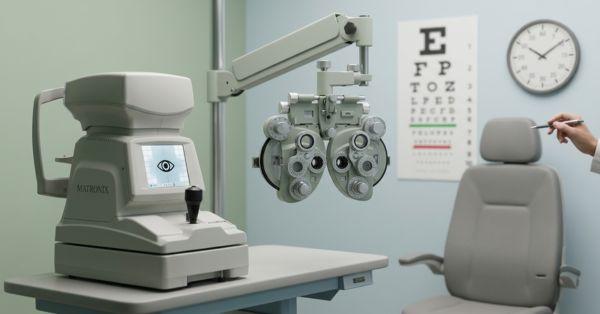
Intraocular pressure (IOP) can be measured using a variety of tonometry test types, each having a unique technique and therapeutic benefit. Different types of eye test machines are used in clinical practice to measure intraocular pressure, each offering unique advantages depending on the patient’s age, condition, and examination setting.Using a slit lamp microscope to gently flatten a small portion of the cornea, Goldmann applanation tonometry regarded as the gold standard measures eye pressure. The air puff test, sometimes referred to as non-contact tonometry, is helpful for routine screenings since it flattens the cornea with a brief blast of air without touching the eye. Rebound tonometry, which is frequently used for children or at-home monitoring, uses a tiny, lightweight probe that momentarily touches the cornea. Although it is less frequently employed currently, Schiotz tonometry, also known as indentation tonometry, analyzes how much the cornea indents under a known weight. Additionally, handheld and digital tonometers improve accessibility and efficiency in contemporary eye care by offering portable and practical solutions for patients who cannot sit at a slit lamp, outreach programs, or bedside use. As accurate intraocular pressure measurement plays a crucial role in early glaucoma detection, selecting reliable and clinically precise tonometers is essential for eye care practices. Matronix Optotechnik is widely recognized as a trusted supplier of high-quality tonometers, supporting hospitals and ophthalmology clinics with dependable diagnostic solutions designed for consistent performance and long-term reliability.
Tonometry Test Procedure
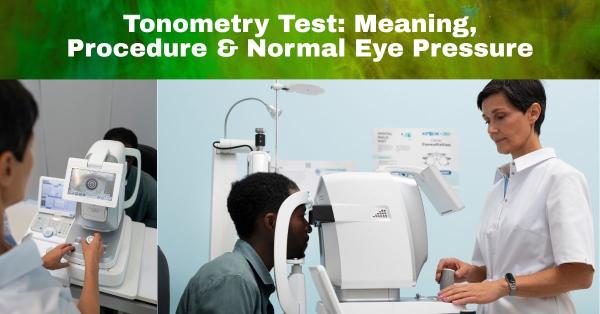
To encourage compliance and minimize fear, the eye doctor first helps the patient settle into a comfortable seat before explaining the tonometry test technique. In cases when the test requires eye contact, like in Goldmann applanation tonometry, anesthetic eye drops are used to numb the eye's surface. Occasionally, a specific dye is used to aid see the cornea clearly. Numbing drops are not necessary for non-contact techniques like non-contact tonometry as the apparatus measures pressure with a light puff of air. While the device monitors intraocular pressure in a few seconds, the patient is instructed to keep their eyes open, stare directly ahead, and remain still. The entire process often only takes a few minutes for both eyes, is normally painless, and may only result in a faint pressure sensation or moderate, transient discomfort.
Normal Eye Pressure Range
As the usual range for healthy intraocular pressure (IOP), the normal range for eye pressure is generally between 10 and 21 millimeters of mercury (mmHg). IOP is often a little higher in the morning and can change throughout the day, although ocular pressure can naturally vary based on a number of factors, including age, individual characteristics, and even the time of day. Although readings in this range are typically regarded as normal, it is necessary to realize that glaucoma risk is not solely determined by pressure; some people may have higher-than-normal pressure without experiencing damage right away (ocular hypertension), while others may have "normal" IOP and develop optic nerve damage (normal-tension glaucoma). In order to accurately estimate glaucoma risk and decide on the best course of treatment, eye specialists consider corneal thickness, optic nerve health, visual field testing, and patient risk factors in addition to eye pressure.
Understanding Tonometry Test Results
Assessing eye health and glaucoma risk requires an understanding of tonometry test data. Indicating that intraocular pressure (IOP) is within a healthy range and not currently putting undue strain on the optic nerve, normal readings normally range from 10 to 21 mmHg. Although there may not be optic nerve injury at this time, borderline eye pressure is defined as measurements that are just above the usual range and call for careful observation. Even though not everyone with high eye pressure will lose their eyesight, ocular hypertension, or high eye pressure, is defined as IOP continuously above 21 mmHg and raises the risk of glaucoma. In order to determine whether treatment or routine monitoring is required, additional testing such as optic nerve examination, visual field testing, corneal thickness measurement, and retinal imaging is necessary when pressure is borderline or high, or when risk factors like family history or optic nerve alterations are present.
Accuracy & Limitations of Tonometry
Tonometry accuracy can be affected by a number of circumstances, thus it's important to carefully evaluate the data. Corneal thickness plays a significant role; thicker corneas may give falsely high readings, while thinner corneas can produce falsely low measurements, potentially masking glaucoma risk. The accuracy of the reading may also be impacted by patient movement, incorrect placement, blinking, squeezing the eyelids, or subpar testing methods. Furthermore, a single measurement could not accurately represent the average eye pressure because intraocular pressure typically varies during the day. To guarantee consistent and trustworthy results before establishing a diagnosis or modifying treatment, eye care providers frequently take several readings during a single visit or over several appointments.
Tonometry Test Safety & Risks
To assess intraocular pressure, the tonometry test is a common and safe eye examination technique used all over the world. The majority of techniques, such as applanation tonometry and the air-puff (non-contact) test, are rapid and minimally uncomfortable. Strict cleanliness precautions lower the danger of infection, and anesthetic eye drops help avoid pain when contact methods are utilized. Although they are infrequent, temporary side effects can include watery eyes, minor eye irritation, faint redness, or a transient pressure sensation. In extremely rare instances, contact procedures may result in a small corneal abrasion. Though some techniques, such as rebound tonometry, are frequently chosen for young children or those who might have trouble sitting still because they are quicker and more comfortable, tonometry is generally appropriate for both young patients and older patients. All things considered, the process is low-risk and essential to preserving long-term eyesight health.
Tonometry Test vs Other Eye Pressure Assessments
One of the main risk factors for glaucoma is intraocular pressure (IOP), which is measured by the tonometry test. Pachymetry measures corneal thickness to help determine whether the pressure reading is actually accurate because thinner corneas may underestimate IOP and thicker corneas may give falsely high readings. Since glaucoma can develop even with normal blood pressure, tonometry is an important screening and monitoring technique in a thorough glaucoma evaluation, but it is not enough on its own to confirm a diagnosis. In order to ensure a comprehensive assessment of glaucoma risk, early detection, and successful long-term management, eye care professionals combine tonometry with complementary diagnostic tests like pachymetry, optic nerve examination (fundoscopy), visual field testing to detect peripheral vision loss, and optical coherence tomography (OCT) to assess retinal nerve fiber layers.
To sum up, tonometry is essential for preserving eye health since it measures intraocular pressure accurately, which is one of the main risk factors for glaucoma. Regular tonometry testing enables early detection before irreversible optic nerve injury occurs because high eye pressure sometimes develops without obvious symptoms. In order to prevent or reduce vision loss, eye care providers can start therapy on time by detecting pressure changes early and tracking them over time. Regular ocular pressure checks are important for maintaining long-term vision and making sure that diseases like glaucoma are adequately treated before they cause irreversible blindness, particularly for those who are more vulnerable.
Author's Bio

Mr. Rajender Gupta
(Director, Matronix Optotechnik Pvt. Ltd.)
With a vision to make advanced eye-care technology accessible across India and beyond, the Director of Matronix Optotechnik Pvt. Ltd. has been leading innovation in smart ophthalmic solutions since founding the company in 2019. Building on decades of industry experience and the global legacy of the Matronix brand since 2007, he has transformed the company into a trusted name in precision eye-testing equipment.
Frequently Asked Questions
A tonometry test is a quick and painless eye examination used to measure intraocular pressure (IOP), the fluid pressure inside the eye. It is important because elevated eye pressure is one of the main risk factors for glaucoma, a condition that can silently damage the optic nerve and lead to permanent vision loss. Regular tonometry testing helps detect pressure abnormalities early, allowing timely treatment and long-term protection of eye health.
The normal range of intraocular pressure is generally between 10 and 21 mmHg (millimeters of mercury). However, eye pressure can vary throughout the day and may differ from person to person. Some individuals may develop glaucoma even with normal IOP (normal-tension glaucoma), while others may have higher pressure without immediate damage (ocular hypertension). Therefore, eye doctors assess IOP along with optic nerve health and other diagnostic tests
A tonometry test is considered safe, fast, and minimally uncomfortable. Most patients feel only slight pressure or a brief puff of air, depending on the method used. When contact methods like Goldmann applanation tonometry are performed, numbing eye drops are applied to prevent discomfort. Serious risks are extremely rare, though mild temporary redness or irritation may occasionally occur.
If your tonometry test shows high eye pressure (above 21 mmHg), your eye doctor may recommend additional tests such as optic nerve examination, visual field testing, corneal thickness measurement (pachymetry), or OCT imaging. High pressure does not always mean glaucoma, but it increases the risk. Early monitoring and treatment such as medicated eye drops, laser therapy, or surgery can help prevent optic nerve damage and protect long-term vision.